
The Health Benefits of Body Shaking Practices: Releasing Stress and Restoring Balance Through Breath and Movement
Have you ever noticed how your body responds after a stressful experience?
For some people, there is an immediate urge to move—to shake out the hands, stretch the shoulders, walk, or take a deep breath as if the body instinctively knows how to release tension.
But for many others, stress creates a very different response. Instead of movement, the body may become still. We may freeze, hold our breath, tighten our muscles, disconnect from sensations, or remain stuck in a state of heightened alertness long after the stressful event has passed.
These responses are natural survival mechanisms. The nervous system is constantly working to protect us. However, when stress becomes chronic, many of us lose touch with the body’s natural ability to release tension and return to balance.
This is where mindful movement practices, including body shaking practices, can become a powerful tool for reconnecting with a feeling of restoration and balance.
Body shaking practices invite us to gently awaken the body, release muscular holding, and restore a sense of flow and awareness. By combining movement with conscious breathing, we create an opportunity to shift out of patterns of tension and how we respond to stress, and reconnect with the body’s innate wisdom to come back to balance.
Throughout history, humans have used rhythmic movement, breath, and shaking as ways to restore balance and reconnect with themselves. Today, body shaking practices are gaining attention in wellness, somatic, and therapeutic circles for their potential to support nervous system regulation, reduce stress, improve body awareness, and promote greater relaxation and well-being.
Over many years of my own practice and observing others during Soul Dimension Breathing sessions, I have noticed that when people begin to breathe more deeply and feel safe enough to let go, gentle shaking or trembling may arise naturally.
Rather than something unusual or something to suppress, these movements can be understood as one of the body’s natural ways of releasing tension and restoring balance.
In Soul Dimension Breathing, movement is welcomed as a natural extension of the breath. As breath, awareness, and life energy begin to flow more freely, the body often responds intuitively.
A gentle sway, a stretch, a movement of the shoulders, a soft or strong trembling can all become part of your body’s natural expression to what is emerging during your breathwork journey.
Rather than resisting these sensations, I encourage people to explore them with curiosity. This creates a beautiful opportunity to become more aware of where tension and emotion are held, and to support a deeper sense of openness, ease, and presence to meet whatever arises within the body.
What is Body Shaking?
Body shaking practices involve intentionally allowing the body to shake, vibrate, or move rhythmically, often combined with conscious breathing and awareness.
Unlike intense exercise, shaking practices are not about pushing the body or creating effort. Instead, they invite a more intuitive and spontaneous movement experience where the body can soften, release tension, and return to a state of greater relaxation.
The movement may appear as: Gentle trembling, bouncing or rhythmic movement, shaking of the hands, arms, or legs, movement through the spine and hips, and spontaneous stretching or swaying.
Different forms of shaking practices can be found across cultures, including Qigong practices such as “shaking the tree,” Japanese movement traditions, modern somatic practices, and Trauma Release Exercises (TRE).
Although these approaches differ, they share a common understanding: the body holds patterns of tension, and mindful movement can help bring awareness, relaxation, and release.
The Ancient Wisdom of Shaking: From the Shakers to Modern Somatic Practices
While modern science is beginning to explore the benefits of shaking, cultures throughout history have recognized the transformative power of rhythmic movement.
One fascinating example comes from the Shakers, a Christian spiritual community that began in the 18th century.
Their name came from the shaking, trembling, dancing, and rhythmic movements that naturally occurred during their worship gatherings.
For the Shakers, these movements were expressions of spiritual devotion and a way of experiencing connection with the divine.
Although they did not understand shaking through the lens of modern neuroscience, they intuitively recognized that movement could influence the human experience.
Today, we can appreciate that rhythmic movement may also support nervous system regulation, reduce muscular tension, encourage emotional well-being, and much more.
Why Does the Body Shake?
One reason shaking may feel so powerful is that it works with the body’s natural stress response.
When we experience stress, the sympathetic nervous system activates our fight-or-flight response. This response is essential for survival, but in modern life many people remain in a state of ongoing stress, holding tension in their muscles and nervous system long after the stressful event has passed.
Animals provide an interesting example of the body’s natural responses to stress. After intense experiences, animals often display spontaneous shaking or trembling before returning to a calmer state.
While the exact function of this behavior continues to be explored, it reminds us that the body has natural ways of moving through states of activation.
Humans share this capacity, although many of us have learned to override or suppress these natural impulses, disconnect, and even dissociate from what we’re feeling as part of a survival response to a stress.
Gentle shaking practices offer a way to reconnect with the body, increase awareness of sensations, release stress and stress related hormones, and support the release of accumulated tension.
What the Research Is Starting to Show
1. It Engages the “Rest and Digest” Side of the Nervous System
Shaking appears to activate the parasympathetic nervous system, which is the counterbalance to the fight-or-flight sympathetic response. That shift is what allows muscles to soften and the body to move out of high alert and into something closer to rest.
2. It May Help Lower Stress Hormones
Several studies on TRE-style tremoring have found reductions in self-reported anxiety alongside favorable shifts in heart rate variability — a marker closely tied to how well the nervous system recovers from stress. A 2025 randomized controlled trial on people with multiple sclerosis found TRE meaningfully reduced pain and muscle spasticity, and a separate 2025 trial is now underway looking at whether it can improve sleep and quality of life in people with hypertension. It’s worth being honest here: a 2023 scoping review of the existing TRE research found real promise but also called the evidence base preliminary, with more rigorous studies still needed. That nuance matters, and I’d rather share it than oversell what we know.
3. It Can Lift Your Mood
Like most rhythmic movement, shaking seems to nudge the body toward releasing endorphins. It’s gentler than a hard workout, but people often describe the same lightness afterward — looser, calmer, sometimes unexpectedly joyful.
4. It May Support the Body’s Own Trauma-Processing Mechanism
This is where the work of Dr. Peter Levine, the founder of Somatic Experiencing, has been so influential. His research points to something animals do instinctively and humans often suppress: the body’s own trembling response after a threat. When that trembling gets interrupted — by willpower, by social conditioning, by simply not having a safe moment to let it happen — the charge can stay lodged in the body. Shaking practices offer a way back to that unfinished process.
5. It Gets Things Moving — Literally
The lymphatic system, unlike the bloodstream, doesn’t have a pump. It depends on muscle movement to circulate and clear out waste. Rhythmic shaking is a simple, low-effort way to help that system do its job.
6. It Builds Body Awareness
The more you practice, the more you start to notice — where you carry tension, what triggers it, what it feels like when it finally lets go. For people living with anxiety or chronic stress, that awareness alone can become a tool: you learn to recognize the buildup earlier, and you have something to do about it.
7. Enhances Lymphatic Circulation and Detoxification
Shaking the body can stimulate the lymphatic system, a crucial part of our immune system responsible for flushing out toxins and waste from tissues. Unlike blood circulation, which is powered by the heart, lymph relies on muscle movement for flow. Rhythmic shaking can increase lymphatic circulation, supporting detoxification and boosting the immune system, which helps to maintain optimal health.
8. There May Be Real Cardiovascular Upside
The direct research on shaking specifically is still young, but related work on whole-body vibration is encouraging — better circulation, modest reductions in blood pressure, improved heart rate variability, and support for the lining of the blood vessels. Add in the fact that shaking helps lower cortisol and stress-driven inflammation, and there’s a reasonable case that a regular practice supports the heart over time, not just the nervous system.
- Improved Circulation: Shaking promotes circulation by gently stimulating blood flow throughout the body. Similar to light aerobic exercise, it can help deliver oxygen and nutrients to tissues more effectively, supporting cardiovascular health by reducing blood pressure and easing circulatory strain.
- Reduced Blood Pressure: Studies on whole-body vibration suggest that shaking may lead to a reduction in blood pressure by improving blood vessel elasticity and reducing peripheral resistance, which lowers strain on the heart and vessels.
- Enhanced Heart Rate Variability (HRV): Shaking practices, like other relaxation techniques, may improve HRV—a measure of the variation in time between heartbeats, which is linked to better cardiovascular resilience and lower rates of cardiovascular disease.
- Lower Inflammation: Shaking practices reduce cortisol and other stress markers, which in turn may help lower inflammation, a risk factor for cardiovascular issues.
- Improved Endothelial Function: Gentle movement practices that increase blood flow have been associated with improved endothelial function (the health of cells lining the blood vessels). Shaking could help improve this function, enhancing blood vessel dilation and reducing clot risk.

How Soul Dimension Breathing Integrates Movement and Shaking
Over many years of teaching, I have witnessed how the breath can open a doorway into deeper awareness of the body.
As people breathe more fully, they may begin to notice sensations that were previously overlooked—areas of tightness, emotions, warmth, tingling, or a desire to move.
In Soul Dimension Breathing, movement is welcomed as a natural extension of the breath.
Sometimes shaking arises spontaneously. Other times, I intentionally encourage gentle shaking to help people explore sensations, release muscular holding, and reconnect with the body’s natural rhythms.
The intention is not to force a release, but to create space for the body to express itself.
A gentle shake of the hands, a rolling of the shoulders, a sway through the spine, or a soft trembling can all become opportunities to listen more deeply.
The body has its own language. Through breath and awareness, we learn how to listen.
Getting Started with a Body Shaking Practice
Starting a shaking practice is simple and accessible for most people. Here are some steps to guide you:
- Find a Comfortable Space: Stand in a place where you feel safe to move freely. Or you can do this lying down too.
- Begin with Gentle Movements: Start by shaking out your hands and arms, then move to the legs, hips, and torso. Let your body relax and flow without rigid control. You might like to bounce up and down a bit too.
- Focus on Your Breath: Inhale and exhale slowly, or a bit more actively, if that’s feeling good. Let each breath bring you into a more body aware and relaxed state. Focus on feeling each part of your body release as you shake.
- Let Go and Follow Your Body’s Natural Rhythm: Allow your body to move intuitively, shaking at the speed and intensity that feels right for you.
- Cool Down: After 5-10 minutes, slow down your movements and take a few deep breaths to help integrate the experience. Take a moment to notice the sensations in your body and to feel the effects of the practice.
Returning to the Wisdom of the Body
One of the most beautiful aspects of body shaking is that it reminds us that healing does not always require more effort.
Sometimes the body already knows what it needs, how to let go of accumulated tension and stress, and how to come back to balance — with a little help.
Through conscious breathing, movement, and awareness, we create the conditions for the body to soften, release, and reconnect with its natural state of balance.
In Soul Dimension Breathing, shaking and moving in the body can simply and naturally unfold as an expression of the body’s own intelligence and wisdom to restore flow and balance.
As the breath deepens and awareness expands, the body may naturally move, release, soften, or become still.
As we soften into the guidance of the breath and the intelligence of the body, sometimes healing looks like a deeper breath.
Sometimes it looks like letting go of tension.
Sometimes it looks like a gentle trembling that allows us to reconnect with ourselves.
The invitation is simply to listen, respond, and go with the flow of the body, breath, and intelligent life force within.
Because within each of us is a wisdom that has always known the way back to balance.
Final Thoughts
Body shaking is a small, accessible practice with a surprisingly wide reach — calming the nervous system, easing stress hormones, supporting the lymphatic and cardiovascular systems, and offering a gentle path toward releasing what the body has been holding onto. The clinical research is still catching up to what practitioners and ancient traditions have long understood, and I think that’s worth saying plainly rather than glossing over. But between what the early studies show and what I’ve witnessed in thousands of hours of breathwork, I keep coming back to the same conclusion: this simple, human movement has real power to help us come home to ourselves.
Whether you fold it into a morning ritual or use it to unwind at the end of a long day, I hope you’ll give your body permission to shake — and see what it has to release.
About Sylvie Horvath
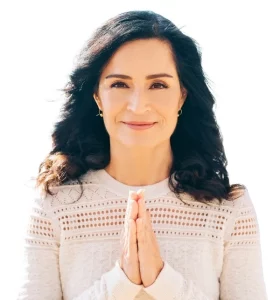
Sylvie Horvath is the founder of Soul Dimension and has been teaching yoga, breathwork, meditation, and holistic wellness practices for over 35 years. Her approach combines ancient wisdom traditions with modern science to support greater self-awareness, vitality, and connection through conscious breathing and embodied practices.